Discover how a baby sleep calculator can help parents find the best nap times and bedtime routines for babies. Learn simple tips for better baby sleep.
If you’re a parent, you already know how important sleep is — not just for your baby, but for you too. Some days your baby naps perfectly, and other days nothing seems to work. Bedtime turns into a struggle, naps get skipped, and everyone ends up exhausted.
That’s why many parents use a baby sleep calculator to help create a more predictable sleep routine.
A baby sleep calculator helps you figure out the best times for naps and bedtime based on your baby’s age and how long they’ve been awake. Instead of guessing when your baby should sleep, you can follow wake windows that match your baby’s natural sleep needs.
What Is a Baby Sleep Calculator?
A baby sleep calculator is a simple tool that helps parents plan sleep schedules for their babies. It uses your baby’s age and wake time to suggest ideal nap times and bedtime.
Babies can only stay awake for a certain amount of time before they become overtired. Once they get too tired, falling asleep actually becomes harder. That’s why timing matters so much.
Using a sleep calculator can help you:
- Plan naps more easily
- Avoid overtired meltdowns
- Improve nighttime sleep
- Build a healthy routine
- Reduce stress for parents
Why Sleep Matters for Babies
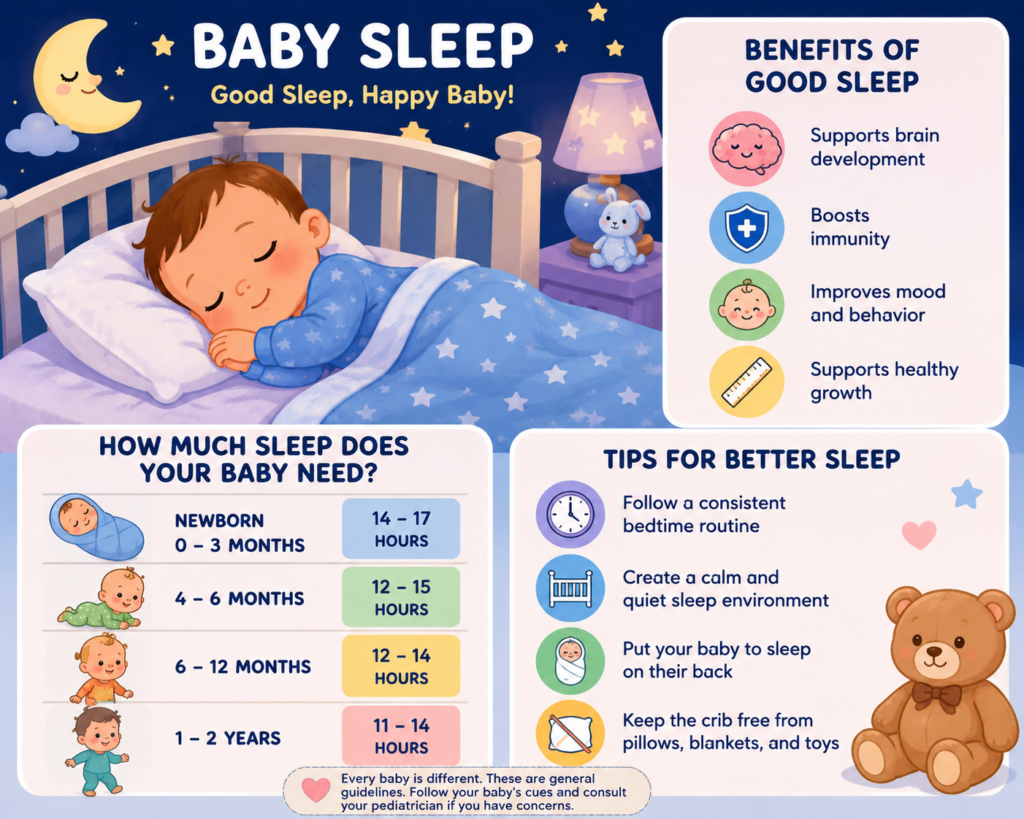
Sleep is one of the most important parts of a baby’s development. While babies sleep, their bodies and brains are growing and recovering.
Good sleep can help with:
- Brain development
- Mood and behavior
- Healthy growth
- Better feeding habits
- Stronger immune system
When babies don’t get enough rest, they often become fussy, cranky, and harder to settle.
How Much Sleep Does a Baby Need?
Every baby is different, but here are some general sleep guidelines:
Newborns (0–3 Months)
Newborns usually sleep around 14 to 17 hours a day. Their sleep comes in short stretches throughout the day and night.
Babies (4–6 Months)
At this stage, babies often start following a more regular sleep pattern with 3–4 naps a day.
Babies (6–12 Months)
Most babies in this age group sleep about 12–14 hours daily, including naps and nighttime sleep.
Remember, these numbers are only general recommendations. Some babies naturally sleep more or less than others.
Signs Your Baby May Be Overtired
It’s not always easy to tell when a baby is tired. Missing the right sleep window can make bedtime much more difficult.
Common signs include:
- Rubbing eyes
- Yawning
- Fussiness
- Crying more than usual
- Trouble settling down
- Short naps
When babies stay awake too long, their bodies become overstimulated, which can make sleep harder instead of easier.
Simple Tips to Improve Baby Sleep
Keep a Consistent Routine
Babies love routines. Doing the same calming activities before bed each night can help signal that it’s time to sleep.
Watch Wake Windows
Pay attention to how long your baby has been awake instead of waiting until they become overtired.
Create a Calm Sleep Environment
A quiet, dark, and comfortable room can make a big difference in sleep quality.
Don’t Stress About Perfect Schedules
Some days will go smoothly, and other days won’t. That’s completely normal.
How a Baby Sleep Calculator Can Help
One of the hardest parts of parenting is trying to figure out what your baby needs. A sleep calculator takes away some of the guesswork and gives parents a helpful starting point.
Many parents find that using a baby sleep calculator helps their baby:
- Fall asleep faster
- Nap better during the day
- Sleep longer at night
- Become less fussy
And when babies sleep better, parents usually do too.
Creating a good sleep routine takes time, patience, and flexibility. Every baby is different, and no schedule will be perfect every single day. But using a baby sleep calculator can make things feel a little less overwhelming.
Small changes in sleep timing can sometimes make a huge difference for both babies and parents.
Disclaimer
This article is for educational purposes only and should not replace medical advice. Always speak with a healthcare professional or pediatrician if you have concerns about your baby’s sleep.